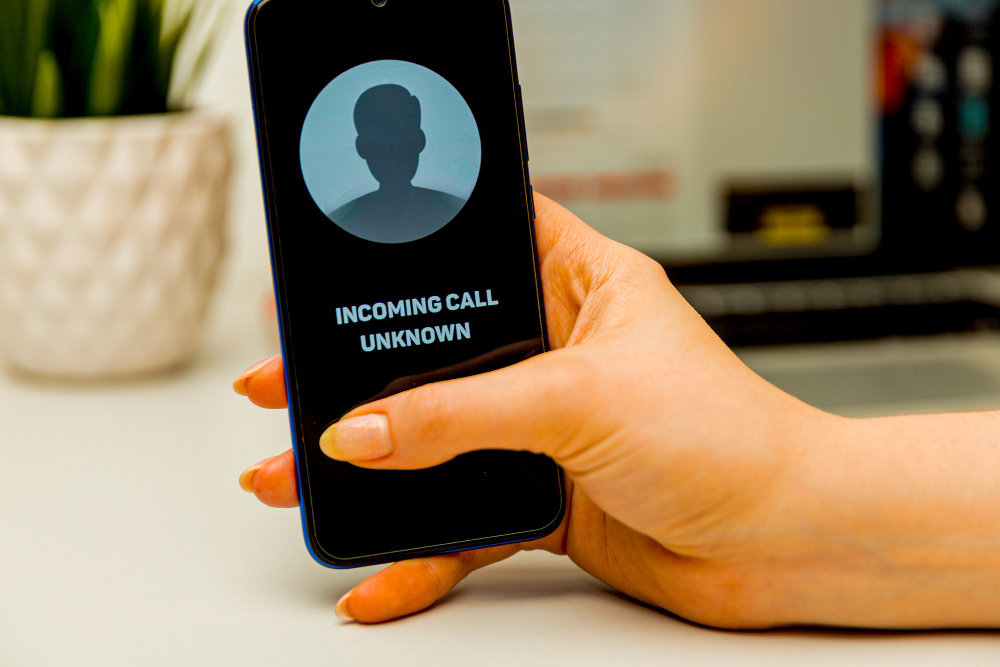
In today's world, scam calls have become a prevalent problem for everyone. These calls can be both annoying and dangerous, as scammers often try to steal personal information, and money, or even cause harm. Therefore, it is essential to know who to protect from scam calls. This blog will discuss the groups of people who are most vulnerable to scam calls and how to protect them.
GROUPS WHO ARE MOST VULNERABLE TO SCAM CALLS
1. ELDERLY PEOPLE
Elderly people are often targeted by scammers. Because they are more vulnerable and may not be aware of current scamming trends. Therefore, Scammers may use social engineering tactics to extract personal information or money from them. However, To protect elderly people from scam calls, it is essential to educate them about common scams and how to identify them. They should be encouraged to avoid answering calls from unknown numbers. And to use a call-blocking service to filter out unwanted calls. Additionally, they should be advised to verify the identity of the caller before providing any personal information or financial details.
2. CHILDREN AND YOUNG ADULTS
Children and young adults are other groups that are vulnerable to scam calls. They may be more trusting and may not have the necessary skills to identify scam calls. However, They may fall victim to fake job offers or investment opportunities. To protect children and young adults from scam calls, it is important to educate them about potential dangers and provide them with the skills to identify and report scam calls. Parents and guardians should monitor their children's phone usage and teach them about safe phone practices.
3. PEOPLE WITH DISABILITIES
People with disabilities are often targeted by scammers. Because they may be more dependent on others for financial transactions and may have limited mobility. Scammers may use social engineering tactics to extract personal information or money from them. However, To protect people with disabilities from scam calls, it is important to educate them about potential scams and provide them with a support system to identify and report them. They should also be encouraged to avoid giving out personal information to unknown callers.
4. IMMIGRANTS
Immigrants, especially those who are not fluent in the local language, may be more vulnerable to scam calls. Scammers may pose as government officials or law enforcement officers to extract personal information or money from them. However, To protect immigrants from scam calls, it is essential to provide them with education on local scams and to offer support in their native language. They should also be encouraged to ask for help from trusted sources. Members of one's family or influential members in the community.
5. SMALL BUSINESS OWNERS
Small business owners may also be vulnerable to scam calls. Scammers may pose as potential customers or suppliers to extract sensitive information or money from them. They may also be targeted with fake payment requests or other financial scams. To protect small business owners from scam calls, it is important to educate them about common scamming techniques and provide them with resources to verify the identity of potential customers or suppliers. They should also be encouraged to avoid giving out sensitive information over the phone.
WHO TO PROTECT FROM SCHAM CALLS?
There are 7 different ways to protect yourself from scam calls:
1. USE A CALL-BLOCKING SERVICE
Using a call-blocking service is an effective way to filter out unwanted calls. Many smartphones come with built-in call-blocking features, or you can download a third-party app that offers more advanced features. Call-blocking services can identify and block calls from known scam numbers or those with suspicious activity. They can also create a whitelist of trusted numbers. Making certain that critical calls are not missed.
2. DON'T ANSWER CALLS FROM UNKNOWN NUMBERS
One of the most effective ways to protect yourself from scam calls is to avoid answering calls from unknown numbers. Scammers often use spoofing techniques to make their calls appear to be from legitimate sources, such as government agencies or financial institutions. If you are not expecting a call from a specific number, it is best to let it go to voicemail. If the caller is genuine, they will leave a message, and you can call them back.
3. VERIFY THE IDENTITY OF THE CALLER
If you do answer a call from an unknown
number, always verify the identity of the caller before providing any personal information or financial details. Scammers may pose as government officials or representatives of well-known companies to trick you into giving away your sensitive information. Ask for their name, company, and contact details, and do your own research to verify their identity.
4. BE SKEPTICAL OF UNSOLICITED OFFERS
Scammers often use unsolicited offers, such as job offers or investment opportunities, to trick people into giving away their personal information or money. If an offer appears to be too good to be true, it most likely is. Be skeptical of any unsolicited offers and do your own research before making any financial commitments.
5. DON'T GIVE OUT PERSONAL INFORMATION
Never give out your personal information, such as your social security number, bank account details, or passwords, over the phone. Legitimate companies or government agencies will never ask for this information over the phone. If someone asks for your personal information, it is best to hang up and report the incident to the appropriate authorities.
6. REPORT SUSPICIOUS ACTIVITY
If you receive a suspicious call, report it to the appropriate authorities immediately. In the United States, you can report scam calls to the Federal
Trade Commission (FTC) or the National Do Not Call Registry. You can also report scam calls to your phone carrier, who may be able to block the number or take other action to prevent further calls.
7. STAY INFORMED
Finally, the best way to protect yourself from scam calls is to stay informed about current scamming trends and techniques. Keep up to date with the latest scams and warnings by subscribing to scam alerts from reputable sources. The FTC provides regular updates on current scams and how to avoid them. By staying informed, you can protect yourself and your loved ones from falling victim to scam calls.